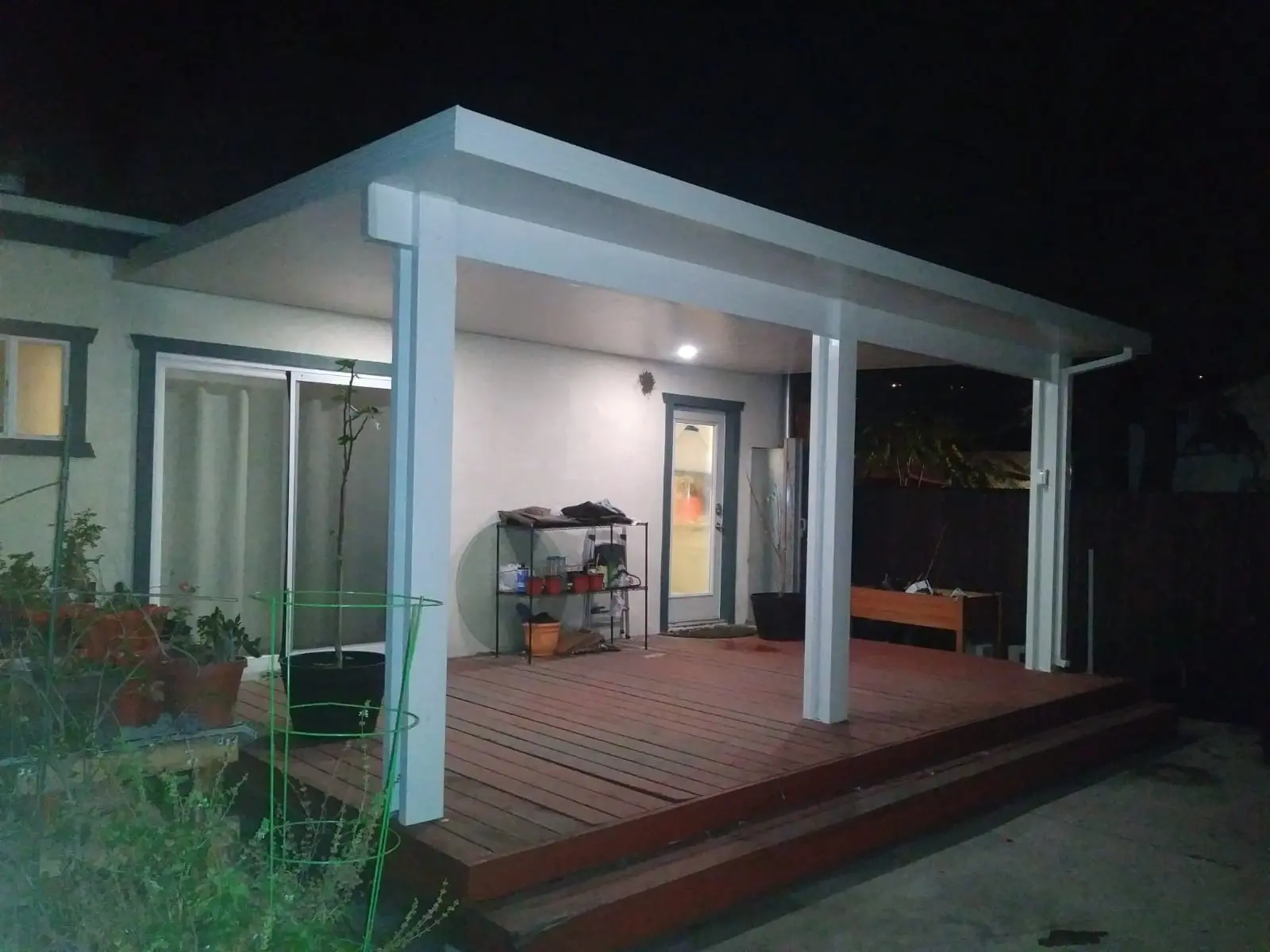
Existing condition
Age, wear, moisture, movement and earlier repairs affect what can be reused. A stable component may need an adjustment or finish correction; a deteriorated one may need replacement or a specialist’s evaluation. We look for the difference before recommending cosmetic work.
Access and protection
Stairs, occupied rooms, heavy furniture, limited parking and building rules can change preparation and timing. Clear access helps, but protection is still part of the job. Floors, counters and nearby finished surfaces are considered before tools or materials are brought into the work area.
Material compatibility
Dimensions, mounting patterns, finish, product type and availability all matter when a part must be replaced. An item that looks close online may not fit the existing opening or hardware. Model numbers, labels and accurate measurements help reduce unnecessary returns and delays.
Finish expectations
Repairs in highly visible areas require a conversation about matching. Paint fades, tile and hardware lines are discontinued, and older textures vary. We explain when a localized repair is likely to blend and when a larger finished section would produce a more consistent appearance.
Drying and curing
Joint compound, primer, paint, caulk and adhesives need time to dry or cure. That time is part of a durable result, even when the hands-on portion is short. The sequence may require stages, and the repaired area may need to remain untouched or dry for a period afterward.
Changes behind the surface
Photos show only what is visible. If opening or removing a damaged component reveals moisture, deterioration or a different construction detail, the next step is discussed before the scope grows. That protects both the property and the accuracy of the estimate.
What affects price and timing?
Useful estimates are based on labor, preparation, access, materials and the number of stages—not only the apparent size of the defect. A small visible area can require careful protection, drying time or a hard-to-find part. A larger but straightforward item may be easier to plan. Photos and measurements help narrow the possibilities, while an on-site review may still be needed when alignment, movement or hidden conditions matter.
Combining compatible work can improve efficiency, but each item still needs enough information to be evaluated. A numbered list prevents a “quick extra” from becoming an unclear change in scope. If materials must be sourced, we identify what is known and what still needs confirmation before the appointment.
Before the appointment
Clear movable items from the immediate area, secure pets and confirm that an authorized adult can provide access. Keep replacement products, spare materials and matching paint available. If the property has parking, elevator or working-hour restrictions, send those details in advance so the visit can be planned around them.